
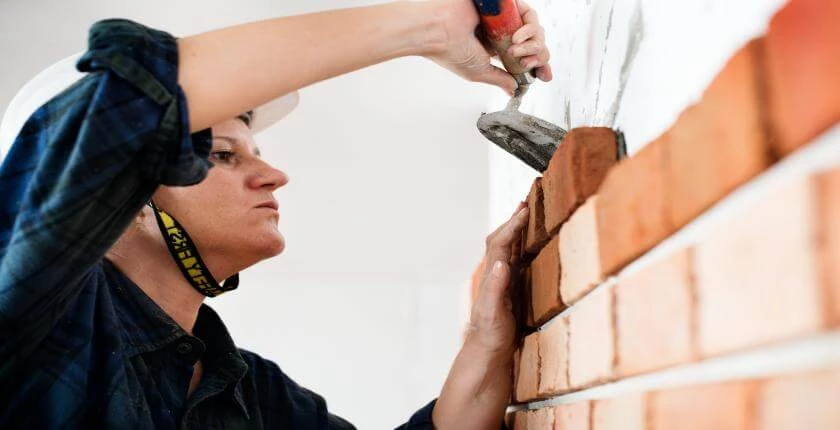
Leadwork & Flashing
Get in touchAt Hastings Heritage Builders, we specialise in providing quality leadwork and flashing services. Our expertise ensures that roofs, chimneys, and dormer windows are expertly protected from water ingress.
We work with traditional and innovative methods to deliver tailor-made solutions, using lead materials renowned for durability and malleability. Contact us today for a free quote and expert service across the postcode area.
What Is Leadwork & Flashing?
Leadwork and flashing at Hastings Heritage Builders involve the installation and maintenance of lead sheets, which are used to seal joints and prevent water ingress in buildings. This service is essential for protecting vulnerable areas such as roof valleys, chimneys, and skylights.
We use lead grades ranging from Code 3 to Code 7, each selected based on the specific requirements of the structure for optimum durability. Lead is a highly durable material that can withstand harsh weather conditions, making it a popular choice for both new builds and restorations.
Our skilled craftsmen have extensive experience in all aspects of leadwork and flashing, employing traditional bossing and welding techniques to ensure precise fitting. We also adhere to the latest British Standards for leadwork, maintaining the historical integrity of heritage properties while enhancing their longevity.
Whether it's a Georgian townhouse or a modern extension, we offer tailored solutions to meet the needs of diverse property types. For more information or to schedule a consultation, please contact us.
What Types of Leadwork & Flashing Are Available?
In , we offer a variety of leadwork and flashing services to meet your specific needs. Our expertise extends to both traditional and modern applications, ensuring compatibility with different architectural styles and roofing materials.
Chimney Flashing: Protects chimney areas from water entry, often installed using code 4 rolled lead, which balances flexibility and durability.
Valley Flashing: Channels water away from roof valleys, vital in preventing ponding and leaks. We typically use lead grade options like LSA, which provide a long lifespan.
Step Flashing: Seals the junction between the roof and walls, integrating seamlessly with tiles or slates and installed in stepped sections for effective water deflection.
Apron Flashing: Covers the base of vertical surfaces, such as dormers, with attention to integrated design using lead-welding techniques.
Bay Window Flashing: Prevents leaks around bay windows, often fitted with an expansion joint to accommodate structural movement.
Contact us to discuss which type of leadwork is appropriate for your project needs.
What Are the Main Applications for Leadwork & Flashing?
Leadwork and flashing play an essential role in protecting various parts of your property from water damage. Using materials like code 3 to code 8 lead sheets, our work adheres to BS EN 12588 standards.
These services are suitable for many areas:
Roofs: Securing gaps and joints on different roof types, including pitched and flat roofs, preventing water ingress.
Chimneys: Sealing around chimneys to stop leaks, particularly at the chimney stack and flue liners.
Dormer Windows: Providing tight sealing around window structures, preventing drafts and moisture penetration.
Parapet Walls: Protecting the top of walls against dampness, ensuring prolonged structural integrity.
We employ traditional methods, such as bossing and welding, to ensure durability and a proper fit. Our experienced team can recommend the best options for your building or renovation project, whether it's a residential or commercial property.
When Is Leadwork & Flashing Needed?
Leadwork and flashing are crucial during the construction of new buildings and when maintaining existing structures, such as heritage properties and residential homes. We use codes and standards, including BS 6915 for design and BS EN 12588 for lead sheet specifications, to ensure that our installations meet national requirements.
Cracks in existing flashings, water stains on ceilings, or visibly worn lead surfaces are indicators that service is due.
Our team employs tools like lead dressing paddles and bossing sticks to shape lead precisely around complex roof structures and chimneys, providing a watertight seal. We also use patination oil to prevent staining and oxidation, ensuring a longer lifespan.
Regular inspections every five to ten years can prevent costly water damage and maintain the structural integrity of your property.
Contact us to arrange a professional assessment of your leadwork needs.
How Does Leadwork & Flashing Work?
The process for leadwork and flashing is a detailed one, applied to both roof junctions and valley gutters to prevent water ingress and ensure structural integrity.
Assessment: Inspect the site to understand the specific requirements, identifying areas susceptible to water penetration and evaluating existing leadwork conditions.
Preparation: Clean and prepare surfaces for flashing installation, removing debris and ensuring a smooth substrate. We follow precise dimensions, tailoring the lead sheets for full surface coverage.
Installation: Cut and shape lead sheets to fit the designated areas, using traditional tools such as lead dressers and bossing sticks. The lead sheet should conform to British Standard BS EN 12588, guaranteeing uniform thickness.
Securing: Use fixings and sealants to tightly secure the lead in place. Patination oil is applied to prevent oxidation and staining.
Inspection: Conduct a final check to ensure all joints are sealed correctly, using lead welding techniques for any necessary repairs.
Ensuring proper installation and attention to detail at each stage helps maintain the leadwork's longevity and performance. Contact us to assist with your leadwork projects.
How Long Does Leadwork & Flashing Take?
Typically, leadwork and flashing projects take between one to three days, depending on the complexity and size of the job. For smaller tasks, such as chimney flashings or repairing lead roofs, our team can often complete the work in just one day.
Larger projects, like complete roof flashings or working with intricate architectural details, may take up to a week.
We use materials like Code 4 and Code 5 lead sheets, which comply with relevant British Standards such as BS EN 12588, ensuring durability and reliability. Our skilled craftsmen use traditional techniques like bossing and welding, enhancing the structural integrity of the flashing.
Proper installation not only ensures long-lasting protection but also helps in managing water runoff effectively, thus reducing the need for frequent maintenance.
Contact us today to discuss your requirements.
Who Needs Leadwork & Flashing?
Leadwork and flashing services are essential for homeowners, commercial property managers, and developers to prevent water infiltration. Historic buildings, in particular, benefit from our expertise in traditional methods such as bossing and welding, which help maintain the architectural integrity and aesthetic value of these properties.
For modern developments, we employ lead-free alternatives using materials like aluminium and zinc, which are lighter and more flexible but still durable. Our team uses precise techniques to fit around complex roof shapes and structures, ensuring watertight seals that meet industry standards like BS EN 12588 for lead sheet grading.
Whether it is refurbishing a Victorian terrace or constructing a new office block, we offer bespoke solutions that provide long-lasting protection and peace of mind. Contact us for an assessment of your leadwork and flashing needs.
How Much Does Leadwork & Flashing Cost?
Leadwork and flashing typically cost between £35 to £75 per square metre. Costs depend on factors such as the complexity of the project and the amount of lead required.
Additional factors influencing the cost include roof pitch and access requirements, which can affect the time and equipment needed for installation. As lead comes in various codes, or thicknesses, selecting the appropriate code for durability and application is crucial.
We often use Code 4 or Code 5 lead for residential roofing, as they provide excellent weather protection. For bespoke projects or intricate restorations, prices may vary, and we recommend getting a detailed quote for an accurate estimate.
Contact us to discuss your specific requirements and obtain a precise cost evaluation tailored to your project.
What Are the Benefits of Leadwork & Flashing?
Leadwork and flashing offer numerous benefits for properties. These elements are essential for both historic and modern buildings, ensuring the roof is sealed effectively to prevent water ingress.
Lead is commonly used in valleys, chimneys, skylights, and roof junctions due to its ability to conform to irregular shapes while maintaining an effective seal.
Durability: Lead has a long lifespan, often exceeding 100 years, and resists cracking and deformation.
Flexibility: Can be shaped to fit complex roof structures, accommodating uneven surfaces and unique architectural features.
Weather Resistance: Withstands harsh weather conditions, including heavy rain, snow, and temperature fluctuations.
Aesthetics: Enhances the visual appeal of traditional structures, complementing period architecture with its timeless appearance.
For reliable protection, leadwork is an investment in your property's future. We adhere to the standards set by the Lead Sheet Association, ensuring excellence in all installations.
Why Choose Hastings Heritage Builders for Leadwork & Flashing?
At Hastings Heritage Builders, our skilled craftsmen have extensive experience in leadwork and flashing, providing tailored solutions for your needs. Our team is proficient in both traditional methods and modern techniques, such as lead welding and bossing, to create enduring and watertight seals for your roofing systems.
We select lead materials conforming to EN 12588 standards, ensuring optimum thickness and malleability for different roof types.
Our expertise covers a range of applications, including roof valleys, dormers, and chimney flashings, where precision is paramount to prevent water ingress and structural damage. We also use scaffolding and safety harness systems to maintain safety standards throughout the project.
From historic buildings to new housing developments, we cater to diverse client needs, ensuring your property's unique character is preserved or enhanced.
Contact us today for a free consultation and see how our expertise can benefit your project.
Leadwork & Flashing: Frequently Asked Questions
How much does leadwork & flashing cost?
Leadwork and flashing cost around £35 to £75 per square metre, depending on the complexity and amount of lead required. Contact us for a detailed quotation.
What is the typical lifespan of leadwork & flashing?
Leadwork and flashing can last over 100 years with proper installation and maintenance. Regular inspections help extend its lifespan.
Is leadwork suitable for historic buildings?
Yes, leadwork is ideal for historic buildings as it preserves architectural integrity while providing effective weatherproofing.
How can I tell if my property needs new flashing?
Water stains, damp patches, or visible wear on existing flashing suggest it's time for an update. Book an inspection with us.
Can leadwork be installed on modern buildings?
Absolutely. Modern buildings benefit from leadwork's durability and aesthetics, making it a versatile choice for new constructions.
Get a Free Quote for Leadwork & Flashing
For expert leadwork and flashing services, contact Hastings Heritage Builders today.
Related Leadwork & Flashing Services
Leadwork and flashing protect traditional roof junctions and connect closely with heritage roofing repairs.
For wider roof repairs, explore heritage roofing repairs.
Complete roof restoration is available through roof restoration services.
Traditional roof coverings can be addressed with slate and clay tile roofing.
For chimney-related weatherproofing, consider chimney repairs and rebuilding.
For broader heritage projects, see heritage building restoration.