
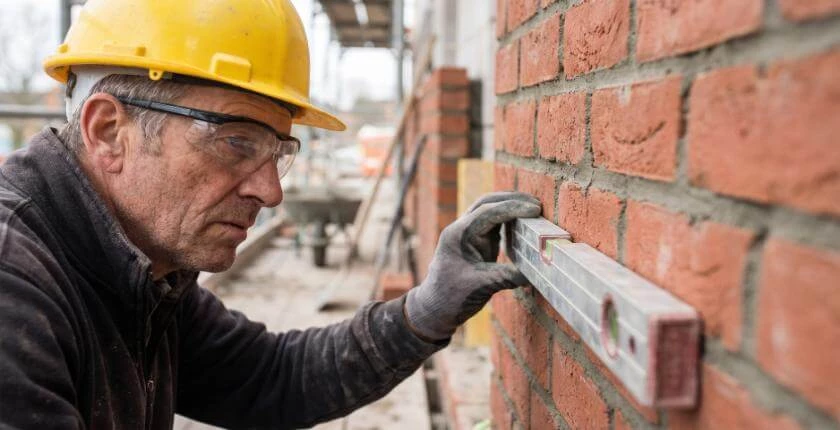
Lime Pointing & Lime Mortar Repairs
Get in touchAt Hastings Heritage Builders, we specialise in lime pointing and lime mortar repairs across . Our experienced team uses traditional methods to restore the integrity and appearance of historic brick and stonework, ensuring your property remains both beautiful and structurally sound.
By focusing on genuine heritage materials and techniques, we offer a reliable solution for preserving the timeless character of your property. Explore how we can assist you in maintaining the historical charm of your building with our expertise.
What Is Lime Pointing & Lime Mortar Repairs?
Lime pointing and lime mortar repairs involve using lime-based materials to replace or repair the mortar joints in masonry work. At Hastings Heritage Builders, we focus on restoring buildings with this traditional method.
Lime mortar is preferred over modern cement for older structures because it is more breathable and flexible, which helps accommodate building movement and prevents moisture damage.
We use materials such as non-hydraulic lime and hydraulic lime, chosen based on the specific needs of the building. Non-hydraulic lime sets slowly and is used in environments with low exposure to the elements, while hydraulic lime sets faster and can be used in more exposed areas.
Techniques like hot lime mixes may be employed for quick application in colder or moisture-rich environments.
Our team is adept at following conservation guidelines to ensure compliance with heritage preservation standards. This service is essential for maintaining the structural integrity and aesthetic appeal of heritage properties.
For expert lime pointing and repairs, contact us to discuss your project needs.
What Types of Lime Pointing & Lime Mortar Repairs Are Available?
We offer various lime pointing and lime mortar repair options suited to different needs. These methods are ideal for enhancing both the appearance and durability of historic buildings, period properties, and older homes, ensuring they remain structurally sound while preserving their aesthetic appeal.
Flush Pointing: Mortar is flush with the brick surface, offering low water retention. This method is often used in damp-proofing techniques.
Recessed Pointing: Creates a shadowed effect by setting the mortar back from the brick face. It’s popular in restoration projects where highlighting the brickwork's texture is desired.
Beaded Pointing: Adds a rounded bead to the mortar joint for decorative detail. This style is common in Victorian and Edwardian architecture.
Weather Struck Pointing: Slopes the mortar joint, improving water runoff, which makes it suitable for areas that experience frequent rainfall.
Each technique serves specific structural and aesthetic purposes, addressing the unique requirements of your property. Contact us to learn which method fits your project best.
What Buildings Are Suitable for Lime Pointing & Lime Mortar Repairs?
Lime pointing and lime mortar repairs are ideal for heritage properties constructed with brick, stone, or flint. At Hastings Heritage Builders, we often work on listed buildings, churches, and period homes across and .
These structures require sympathetic restoration techniques such as lime pointing, which involves carefully replacing deteriorated mortar with lime-based mixtures. Using lime mortars allows these buildings to "breathe", reducing the risk of condensation and dampness by enabling moisture to evaporate naturally.
In addition to historical properties, lime pointing is suitable for barns, manor houses, and schools originally built with traditional materials. We comply with conservation regulations and use approved products like NHL (Natural Hydraulic Lime) in various grades depending on the project's specific needs.
Using modern cement-based mortars can lead to severe consequences, including frost damage and decay. For repairs that preserve both the aesthetic and structural integrity of these cherished buildings, contact us to discuss your project.
When Is Lime Pointing & Lime Mortar Repairs Needed?
Lime pointing and lime mortar repairs are necessary when your building's mortar joints show signs of deterioration, such as crumbling, recession, or gaps that permit moisture intrusion. In , buildings are particularly vulnerable to weather extremes.
Prolonged exposure to rain, wind, and frost can accelerate the degradation of traditional lime mortar, especially in older structures, which may not have modern damp-proofing.
We employ various techniques, including raking out the old mortar to a specified depth and using compatible lime mortar mixes that match the original in composition and appearance. This process enhances the structural integrity of the building while maintaining its historical value.
Our team can work on a variety of properties, including Georgian and Victorian homes, ensuring that necessary heritage conservation standards are met.
At Hastings Heritage Builders, we can assess your property and recommend the necessary interventions to protect and maintain it.
How Does Lime Pointing & Lime Mortar Repairs Work?
Our lime pointing and lime mortar repair process includes several detailed steps to ensure the longevity and integrity of your building's structure.
Assessment: We conduct a thorough inspection of the existing mortar condition, identifying areas that require repair and assessing the type of masonry involved, such as brick or stone.
Preparation: Old mortar is meticulously removed using appropriate methods like hand chiselling or low-impact mechanical tools, ensuring the surrounding masonry is not harmed during the process.
Mixing: Lime mortar is mixed on-site with precise ratios of lime, sand, and water to suit the building's specific needs. This is done according to the hydraulic or non-hydraulic properties required, considering factors such as building age and regional climate conditions.
Application: The mortar is applied using traditional tools and techniques, including pointing trowels and hawks. Our approach respects the original construction methods to maintain historical accuracy.
Curing: The mortar is left to cure naturally in a process that may take several weeks. This allows the lime to carbonise properly, providing flexibility and breathability to the masonry joints.
By following these steps, we restore your building with attention to detail and respect for historical construction practices. If you are interested in learning more, please contact us.
How Long Does Lime Pointing & Lime Mortar Repairs Take?
Lime pointing and lime mortar repairs typically take one to two weeks, depending on the scale and condition of the property. For smaller residential buildings, work might be completed within a week, while larger or historic structures could extend to two weeks or more.
At Hastings Heritage Builders, we use traditional lime putty mixes, allowing for optimal breathability and flexibility essential for old buildings.
A crucial part of the process is ensuring proper curing, which can extend the timing slightly, particularly in humid or wet weather conditions. We adhere to industry standards like the British Standard BS 8221-2:2000 for building conservation to maintain authenticity and durability.
Our team discusses specific timelines with you after assessing the project requirements, ensuring that you are informed and comfortable with the plan.
Who Needs Lime Pointing & Lime Mortar Repairs?
Property owners with historic or period buildings can benefit from our lime pointing and lime mortar repairs. This service is essential for maintaining the charm and safety of buildings like Victorian houses, Georgian homes, and historical landmarks.
These structures often require materials that accommodate the building's original aesthetics and structural needs. Lime mortar, unlike modern cement, allows buildings to "breathe," preventing moisture trapping and associated damage.
This quality preserves the masonry by accommodating slight movements and natural thermal expansion.
Our service is also crucial for listed properties where traditional materials are mandatory for compliance with conservation regulations. By using authentic lime mortar, we adhere to guidelines set by conservation bodies, ensuring that repairs enhance the building's longevity.
Whether maintaining the original stonework on a country manor or repairing lime plaster on a heritage town property, our expertise ensures a sympathetic restoration. Contact us today for an evaluation of your historic building's needs.
How Much Does Lime Pointing & Lime Mortar Repairs Cost?
Lime pointing and lime mortar repairs cost around £45 to £75 per m². Factors influencing the cost include the extent of damage, building height, access difficulty, and whether heritage-grade materials are needed.
Lime mortar types such as NHL (Natural Hydraulic Lime) and lime putty each have unique properties suitable for different ages and styles of buildings. NHL is often used for its strength and quicker setting time, while lime putty is favoured for traditional restoration.
Additional costs might arise if scaffolding is required for taller structures or if intricate detailing on historic buildings necessitates specialised repair techniques. Regularly maintained lime pointing helps prevent weather damage and moisture ingress, which are critical for preserving the structural integrity and aesthetic of older properties.
At Hastings Heritage Builders, we provide a detailed quotation after assessing your specific needs, ensuring transparency and fair pricing.
What Are the Benefits of Lime Pointing & Lime Mortar Repairs?
The benefits of lime pointing and lime mortar repairs are extensive, making it a preferred choice for both historical and modern structures.
Breathability: Lime mortar is porous, allowing trapped moisture within walls to evaporate. This reduces the risk of damp and salt build-up, which can deteriorate masonry.
Flexibility: Compared to cement mortar, lime has a higher elasticity, which allows it to absorb minor movements in buildings caused by temperature changes and settling, thereby reducing the likelihood of cracks.
Aesthetic Appeal: Using natural lime blends helps maintain the original appearance of heritage buildings. We often match the texture and colour of the existing mortar to seamlessly blend with the building's architecture.
Longevity: Lime mortar repairs can fortify a building’s structural integrity over time. Regular maintenance using lime ensures that a building remains structurally sound and visually cohesive for decades.
These benefits make lime pointing and lime mortar repairs a crucial investment for preserving the architectural fabric of buildings. Contact us to discuss your project needs.
Why Choose Hastings Heritage Builders for Lime Pointing & Lime Mortar Repairs?
Choosing Hastings Heritage Builders for lime pointing and lime mortar repairs means working with experts committed to preserving your heritage property's character. We use traditional lime-based materials such as hydraulic lime, known for its breathability and flexibility, essential for maintaining the integrity of older structures.
Our skilled craftsmen apply these materials using time-honoured techniques like the hot lime method, which involves mixing lime with sand at high temperatures to improve workability and adhesion.
We comply with industry standards such as those set by Historic England, ensuring each project's sensitivity to historical contexts. Our services cater to a variety of heritage properties, from listed buildings to conservation areas, addressing issues like damp penetration and mortar erosion.
Contact us for a tailored service suited to your unique building and ensure your property's restoration is in knowledgeable hands.
Lime Pointing & Lime Mortar Repairs: Frequently Asked Questions
How often should lime pointing repairs be done?
Lime pointing repairs should generally be reviewed every 50 to 100 years, depending on exposure to weather and building wear.
Can lime mortar repairs be done in winter?
While possible, lime mortar repairs in winter require protection against frost, which may slow curing.
Is lime pointing suitable for new builds?
Yes, lime pointing can be used for new builds when blending with traditional styles is desired.
How do I know if my property needs lime pointing?
Look for signs like crumbling mortar, voids, or moisture issues. Contact us if your property shows these signs.
What is the difference between cement and lime mortar?
Lime mortar is more flexible and breathable than cement mortar, making it ideal for older buildings.
Get a Free Quote for Lime Pointing & Lime Mortar Repairs
Contact Hastings Heritage Builders today to arrange your free quote for lime pointing and lime mortar repairs.
Related Lime Pointing Services
Lime pointing and lime mortar repairs support breathable masonry, brick restoration and conservation work on historic buildings.
For traditional brickwork, explore brick repairs and repointing.
Historic stone structures can benefit from stonework restoration.
For traditional wall finishes, consider lime plastering and rendering.
Flint masonry can be repaired through flint wall repair services.
For wider conservation projects, see building conservation.