
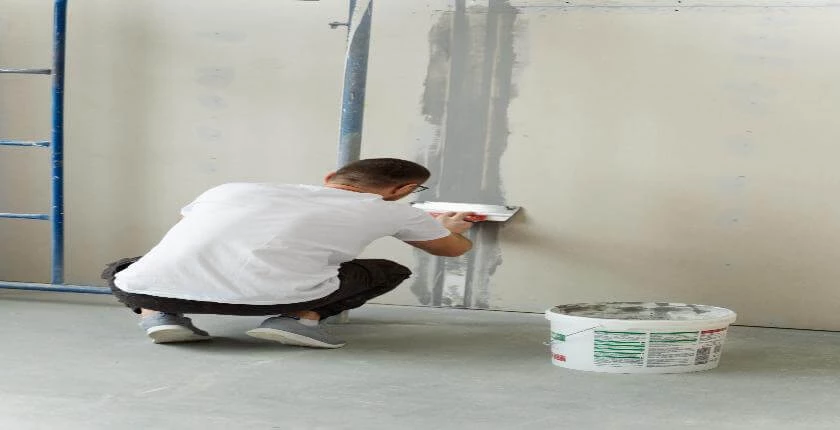
Lime Plastering & Rendering
Get in touchAt Hastings Heritage Builders, we specialise in lime plastering and rendering, preserving the character of historic properties. Our techniques include lime putty plastering, feather-edge rendering, and limewash finishes, ideal for period buildings.
We focus on traditional materials that allow buildings to breathe, reducing the risk of trapped moisture and structural damage. Covering and the surrounding postcode area, we invite you to contact us to enhance your historic property's charm.
What Is Lime Plastering & Rendering?
Lime plastering and rendering at Hastings Heritage Builders involve applying layers of lime-based coatings to walls. These methods have been used for centuries to protect and decorate buildings while allowing moisture to evaporate naturally.
We use lime instead of cement, which results in a flexible and breathable surface that minimises the risk of cracks and dampness. Our lime plaster mix typically includes ingredients like sand and water, which contribute to its versatility and durability.
This traditional technique is particularly suited to restoring and maintaining the aesthetic of older, historic properties. It conforms to conservation standards, ensuring that heritage buildings retain their original character.
Lime plastering also provides excellent thermal insulation and soundproofing, making it a preferred choice for period homes and listed buildings. We can apply lime plastering and rendering to both internal and external surfaces, enhancing structural integrity and visual appeal.
For any enquiries or to discuss your specific project needs, feel free to contact us.
What Types of Lime Plastering & Rendering Are Available?
Hastings Heritage Builders offers a variety of lime plastering and rendering options to suit different needs and preferences, blending traditional techniques with modern requirements.
Lime Putty Plastering: A traditional mix that typically involves three coats applied over several layers for interior walls. It provides excellent moisture management and is ideal for older properties that need to breathe.
Feather-edge Rendering: Offers a rustic, textured finish, perfect for exterior walls in heritage settings. This rendering method uses lime mortar and achieves a natural look that blends well with brick or stone surfaces, protecting them from weathering.
Limewash: A breathable paint that enhances the aesthetic of lime-rendered surfaces and allows for subtle colour variations. Limewash is especially suitable for historic buildings where original appearance preservation is crucial.
Our services ensure that each option complements the architectural integrity of your property while promoting longevity and durability. Contact us to discuss your specific requirements and find the best solution for your building.
What Events Trigger a Need for Lime Plastering & Rendering?
Lime plastering and rendering are essential when restoring historic buildings, addressing moisture issues, or maintaining an authentic appearance. When properties experience issues such as rising damp or salt efflorescence, lime plaster's breathability helps regulate moisture levels, preventing long-term damage.
Additionally, lime’s flexibility allows it to accommodate small structural shifts and thermal changes without cracking, which is crucial for older buildings that may have settled over time.
Choosing lime solutions ensures compatibility with traditional construction methods and materials. Lime plaster's ability to blend seamlessly with historic brick, stone, or timber substrates often surpasses modern materials in preserving heritage fabric.
Work typically aligns with conservation standards like those from English Heritage, underscoring the importance of using lime in maintaining the architectural authenticity of historic homes, churches, and public buildings. Reach out to us to explore our lime plastering and rendering services tailored to your property's unique needs.
How Does Lime Plastering & Rendering Work?
Our lime plastering and rendering process is a approach designed to enhance and preserve building exteriors, ideal for historic and traditional properties.
Assessment: We begin by evaluating the condition of the existing surfaces, identifying any damage or unsuitable materials that may affect adhesion or longevity. This includes checking for moisture damage and assessing structural integrity.
Preparation: This step involves removing incompatible materials, such as cement-based plasters that can trap moisture. We then thoroughly clean the area, which may include techniques like steam cleaning to eliminate grime and contaminants that could interfere with the lime products.
Application: We apply the lime plaster or render in multiple coats, adjusting the mixture and thickness as needed based on whether we are working on interior or exterior walls. This step often involves a scratch coat, brown coat, and finish coat to achieve the desired consistency and appearance.
Finishing: Once the application is complete, we add finishing touches such as limewash or breathable mineral paint. These finishes protect the lime work from weather and environmental factors, ensuring longevity without compromising the building’s ability to breathe.
Contact us to schedule your project and maintain the character of your property with our expert lime plastering and rendering services.
How Long Does Lime Plastering & Rendering Take?
Lime plastering and rendering usually take between five to seven days, depending on the property size and complexity. Factors such as the number of coats needed and the condition of the existing structure play a significant role in determining the timeframe.
Each layer, typically consisting of scratch, float, and finish coats, requires around 24 to 48 hours to dry before the next can be applied, adhering to traditional techniques to enhance durability and finish quality.
Proper drying times ensure the lime retains its natural ability to breathe, preventing moisture build-up and maintaining the structural integrity of the walls. We follow the BS EN 459-1:2015 standard for lime products, ensuring consistency and reliability.
In some cases, additional time might be needed for intricate decorative mouldings or repairs to timber laths. Contact us today to discuss your specific requirements and project scheduling.
Who Needs Lime Plastering & Rendering?
Owners of historic properties, restoration specialists, and heritage foundations benefit from lime plastering and rendering. Lime plastering is particularly advantageous for structures originally built with traditional materials, such as wattle-and-daub or brick, which require materials that expand and contract naturally with humidity changes.
Lime render allows walls to "breathe", preventing moisture accumulation that could damage the building fabric.
Moreover, lime plastering aligns with standards set by organisations like English Heritage, ensuring that restoration work is both aesthetically pleasing and historically accurate. Our techniques include the use of lime putty and natural hydraulic lime, each chosen to suit specific surface conditions and environmental requirements.
This service is suitable for residential owners who wish to maintain the authenticity of their Victorian or Georgian homes and for organisations dedicated to the preservation of listed buildings. Contact us to discuss how we can support your project.
How Much Does Lime Plastering & Rendering Cost?
Lime plastering and rendering typically cost between £30 to £50 per m². This cost range reflects the material quality and the intricate labour involved in applying traditional lime mixes.
The price varies based on the property's condition, detailing, and any specific restoration needs, such as addressing historic fabric with care or working around architectural features. Properties with structural challenges may require additional under-structure strengthening with materials like horsehair, adding complexity and time to the process.
We also consider the variety of lime products available, including hydraulic and non-hydraulic lime, which are selected based on the specific requirements of your project.
We provide a detailed quote tailored to your project's scope upon request.
What Are the Benefits of Lime Plastering & Rendering?
The benefits of lime plastering and rendering with Hastings Heritage Builders include several key attributes that establish its superiority over modern alternatives.
Breathability: Lime plaster's porous nature allows walls to breathe, effectively managing moisture levels and preventing problems such as damp and rot, which are common in many heritage properties.
Flexibility: Unlike cement-based plasters, lime plaster accommodates minor structural movements, thus reducing the risk of unsightly cracks and ensuring the long-term stability of walls.
Historical Accuracy: For period properties, lime plaster offers a finish that aligns with traditional building methods, adhering to standards set by historical preservation societies such as the Society for the Protection of Ancient Buildings (SPAB).
Environmental Friendliness: As lime is derived from limestone, its use is more environmentally sustainable compared to synthetic alternatives, contributing to lower carbon emissions in construction and restoration projects.
These benefits make lime plastering and rendering an ideal method for maintaining the structural and historical integrity of buildings. Contact us to explore how lime plastering can benefit your property.
Why Choose Hastings Heritage Builders for Lime Plastering & Rendering?
Hastings Heritage Builders is the expert choice for lime plastering and rendering due to our dedication to traditional methods and materials. We specialise in using lime putty and hydraulic lime, ensuring compatibility with the existing structure and its breathability.
Our craftsmen are skilled in techniques such as float and set, and we adhere to guidelines laid out by English Heritage to maintain authenticity.
We understand the unique challenges and requirements of heritage properties, including timber-framed and stone buildings. Our methods help prevent moisture trapping, reducing risks of damp and decay.
With a wealth of experience in listed buildings and conservation areas, we ensure quality workmanship that honours their history.
Our knowledgeable team is ready to support your restoration needs, combining traditional craftsmanship with a thorough understanding of historic architecture.
Contact us for a consultation to preserve and enhance your property’s character.
Lime Plastering & Rendering: Frequently Asked Questions
How often should lime plaster be maintained?
Lime plaster should be inspected annually. Regular maintenance helps address minor issues before they escalate, ensuring long-term durability.
Is lime rendering suitable for modern properties?
While ideal for historic buildings, lime rendering can also benefit modern properties that seek a breathable and flexible finishing option.
Can damaged lime plaster be repaired?
Yes, we can repair damaged lime plaster with careful attention to match the original finish, preserving its appearance and function.
What is the drying time for lime plaster?
Lime plaster drying time typically ranges from 24 to 48 hours per layer, depending on ambient conditions such as humidity and temperature.
Is planning permission needed for lime rendering?
Planning permission may be required for listed buildings or conservation areas. We can provide guidance on the necessary steps.
Get a Free Quote for Lime Plastering & Rendering
Contact Hastings Heritage Builders today for a free quote on lime plastering and rendering services.
Related Lime Plastering Services
Lime plastering and rendering connect breathable wall finishes with traditional masonry and heritage conservation.
For compatible masonry joints, explore lime pointing and mortar repairs.
Brick façades can be repaired through brickwork repairs and repointing.
Traditional stone structures can benefit from stonework restoration.
For moisture-related building problems, consider damp and structural repairs.
For wider conservation work, see building conservation.